Dressmaker Fabric Guide: Expert Tips for Every Sewing Project
Discover how to choose the perfect dressmaker fabric for your next Steam project. Learn expert selection tips, material types, and essential sewing advice.
Published:
Table of Contents
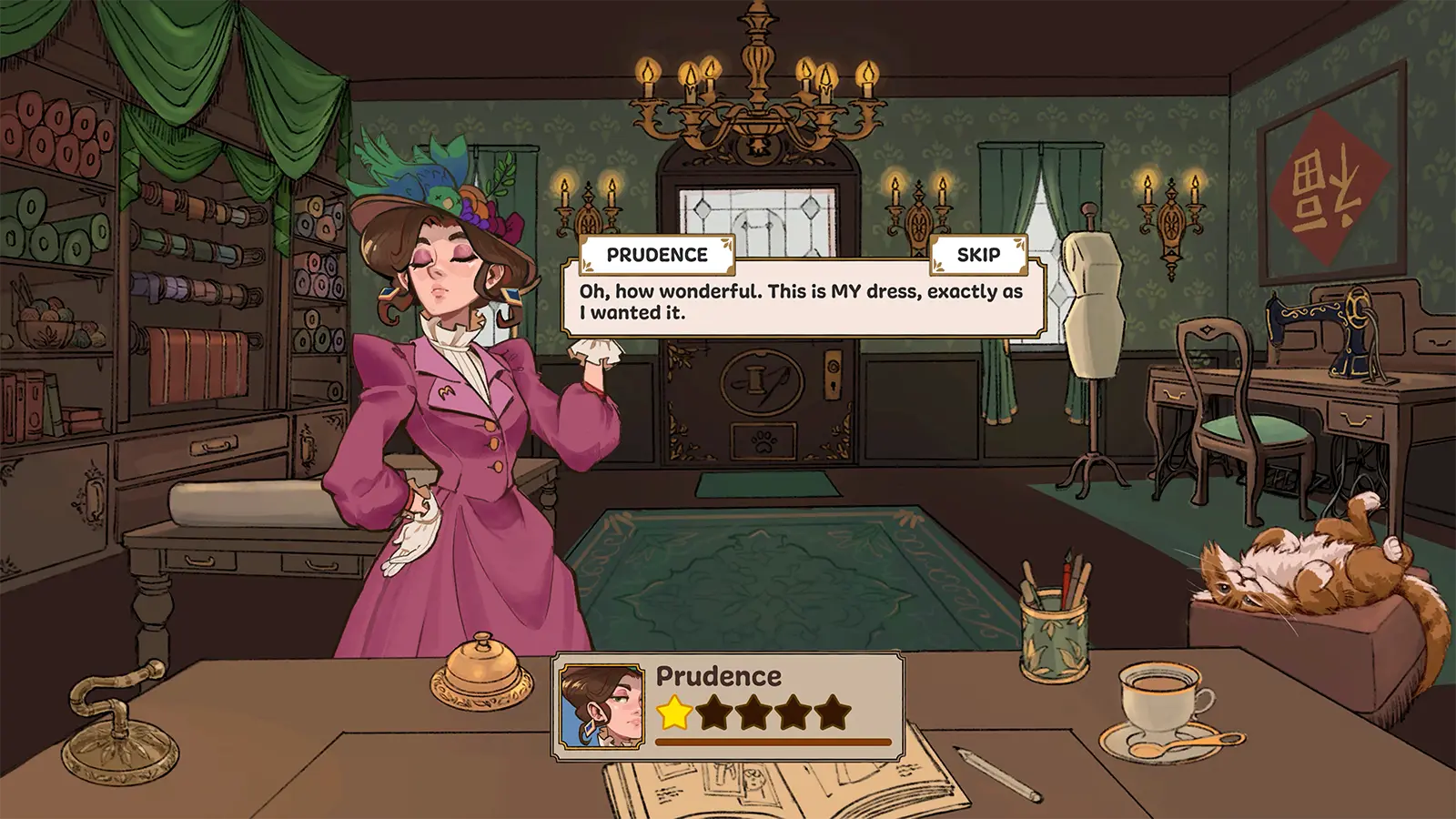
When you step into the creative world of Dressmaker on Steam, the quality of your virtual materials dictates the success of your fashion empire. Choosing the right dressmaker fabric is not just about aesthetics; it is the fundamental step that transforms a simple sketch into a masterpiece.
Understanding how to select the best dressmaker fabric is essential for players aiming to maximize their design scores and customer satisfaction. Whether you are crafting a flowing evening gown or a structured suit, the material you choose carries unique properties that affect the final look and feel of your digital creations.
Understanding Fabric Properties in Dressmaker
In the Dressmaker game, fabrics are categorized by weight, texture, and drape. Each type serves a specific purpose in your design workflow. Understanding these nuances helps you avoid common pitfalls when fulfilling high-end commission requests.
Key Material Categories
To succeed, you must categorize your inventory effectively. The following table illustrates how different material types influence your garment's outcome:
Material Type
Best Usage
Difficulty Level
Game Impact
Cotton
Everyday wear, shirts
Beginner
High versatility
Silk/Satin
Evening gowns, luxury
Expert
Adds elegance/value
Denim/Heavy
Jackets, workwear
Intermediate
Increases durability
Knit/Stretch
Sportswear, casual
Intermediate
Requires precision
The Art of Fabric Selection: Why Quality Matters
Why does the specific fabric choice matter so much? In Dressmaker, the game engine simulates how a garment hangs on a model based on the fabric’s physics. A heavy denim used on a delicate blouse will cause clipping and visual dissatisfaction, whereas a high-quality silk increases the style rating of your boutique.
Step-by-Step Selection Process
Analyze the Request: Always read the customer's style brief. Do they want something breathable or something structured?
Check Inventory Stats: Hover over the fabric to see its specific attributes—look for keywords like "Drapey" or "Structured."
Match with Pattern: Ensure your chosen material is compatible with the selected pattern template.
Final Preview: Use the 3D viewer to check for texture stretching or awkward folds before finalizing the design.
Pro Sewing Strategy
Always keep a stock of neutral-colored cottons for prototyping. Using rare, expensive fabrics for your first attempt at a new pattern often leads to wasted resources if the design fails.
Common Mistakes in Material Usage
Even veteran players occasionally struggle with selecting the wrong dressmaker fabric. The most common mistake involves ignoring the weight-to-pattern ratio. If you force a stiff brocade into a pattern intended for lightweight jersey, the game's simulation will reflect poorly in the final appraisal.
Avoiding Sewing Pitfalls
Ignoring Texture: A fabric with a loud pattern might clash with a complex, ruffled design.
Overlooking Haberdashery: Ensure your threads and needles match the weight of the material; thin needles on heavy denim can lead to "stitch breakage" in game logic.
Poor Color Matching: Use the color wheel wisely to ensure the undertones of the fabric match the client's skin tone or aesthetic preference.
Advanced Techniques for Boutique Owners
Once you have mastered the basics, it is time to optimize your workflow for efficiency. As you progress in the game, your ability to manage inventory becomes a key competitive advantage.
Resource Management Comparison
Action
Benefit
Cost
Bulk Buying
Reduces price per unit
High upfront cash
Specialized Sourcing
Higher quality results
Lower frequency/Higher effort
In-Game Crafting
Unique textures
High time investment
For those looking to expand their knowledge, official updates and community forums on the Dressmaker Steam Page often provide hidden mechanics regarding how specific seasonal fabrics react during special events.
Essential Tools for Precision Cutting
In the physical world of sewing, precision is king. Just as you need a sharp set of shears to trim tags or perform intricate cuts without damaging your clothing, your virtual characters benefit from upgraded cutting tools. Using the correct tools in Dressmaker reduces material waste and speeds up your production line significantly.
Essential Sewing Kit Checklist
Precision Shears: Required for cutting delicate silk and fine lace.
Seam Rippers: Essential for correcting mistakes without discarding the entire garment.
Tailor’s Chalk: Used to mark patterns for perfect alignment on patterned fabrics.
Measuring Tape: Vital for ensuring consistent sizing across different customer body types.
FAQ: Frequently Asked Questions
Q: Where can I find rare dressmaker fabric types in the game?
A: Rare materials are often unlocked by completing high-level reputation contracts or by participating in seasonal in-game fashion events.
Q: Does the material choice affect the price I can charge?
A: Absolutely. Using premium or rare materials allows you to set a higher price point for your finished garments, which is essential for upgrading your studio.
Q: Can I mix different fabrics in one project?
A: Yes! Advanced patterns allow you to use different materials for secondary panels, which is a great way to improve your design scores.
Q: What is the best dressmaker fabric for beginners?
A: Plain cotton is the most forgiving material for early-game projects. It is easy to work with, versatile, and has few strict requirements for patterns.
By mastering the selection and handling of your dressmaker fabric, you move from a novice tailor to a renowned fashion mogul. Keep experimenting with different combinations, pay attention to the game's feedback, and don't be afraid to take risks on new patterns. Happy sewing!