Master the Art of Dressmaker Cosplays: A Complete Guide
Discover how to bring virtual fashion to life with our guide to dressmaker cosplays. Learn pro techniques, material selection, and game-inspired designs.
Published:
Table of Contents
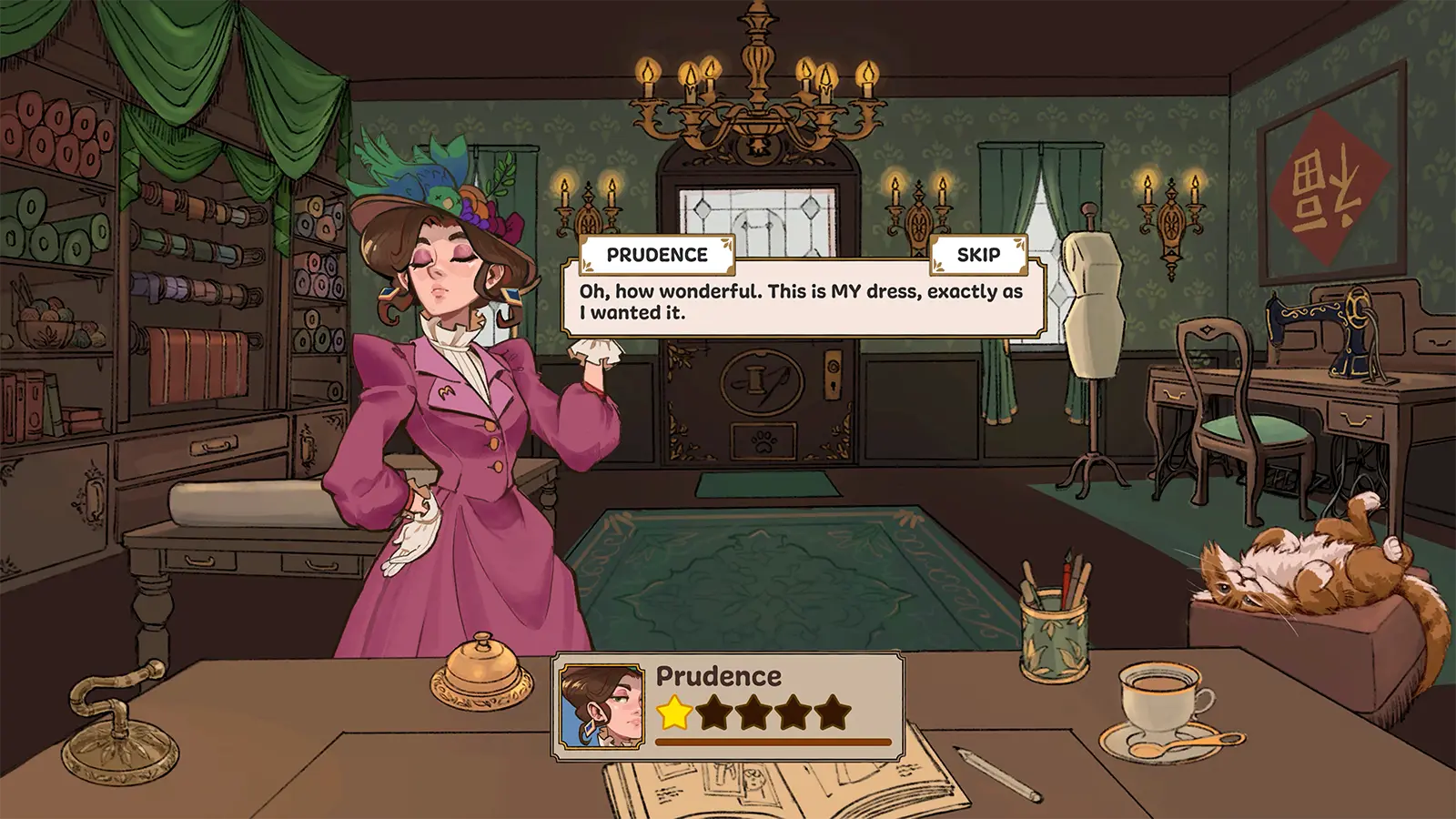
The intersection of virtual creativity and physical craftsmanship has reached a new peak with the rise of dressmaker cosplays. For fans of the immersive design game Dressmaker by Cozy Lives, the transition from clicking a mouse to threading a needle represents the ultimate expression of fandom. Understanding the nuances of dressmaker cosplays is essential for anyone looking to translate digital elegance into wearable art that stands out at any convention.
Quick answer
Successful dressmaker cosplays require a blend of digital pattern recognition and traditional sewing techniques. By focusing on high-quality fabrics like silk brocade and utilizing inclusive design principles, creators can replicate the intricate aesthetics found in the Dressmaker game on Steam.
The Evolution of Digital Fashion into Physical Reality
The game Dressmaker has captivated players with its intricate focus on garment construction and aesthetic freedom. Unlike many RPGs where armor is the focus, this title celebrates the delicate art of the seamstress and the tailor. This shift has sparked a massive interest in dressmaker cosplays, where the goal is to replicate the specific textures and silhouettes featured in the game’s engine.
Community reports suggest that the most successful recreations are those that treat the game as a blueprint rather than a strict rulebook. Because the game allows for such high levels of customization, players often find themselves blending their in-game avatars' styles with personal flair. This "bespoke" approach to cosplay mirrors the professional world of ethical custom dress design, where the focus is on the individual’s unique body type and style preferences.
When planning your project, it is vital to analyze the physics of the clothing within the Steam version of Dressmaker. How does the fabric drape when the character moves? Is there a subtle sheen to the material that suggests silk, or a heavy weight that implies wool? These digital clues are the first steps in creating a museum-quality costume.
Professional Techniques for High-End Costume Construction
To achieve the level of detail seen in top-tier dressmaker cosplays, one must look to the techniques used by industry veterans. Professional costumers often emphasize that the foundation of a great outfit isn't just the visible fabric, but the internal structure. This includes the use of corsetry, interfacing, and proper lining to ensure the garment holds its shape throughout a long convention day.
According to veteran player experience and professional insights from the fashion industry, incorporating inclusive design is not just a moral choice but a functional one. Using size-inclusive patterns ensures that the intricate designs of Dressmaker look stunning on every body type. This mirrors the mission of professional designers who advocate for representation and breaking down barriers within the costuming community.
Essential Material Comparison for Cosplay
Fabric Type
Best Use Case
Pros
Cons
Silk Brocade
Royal or high-fantasy gowns
Incredible detail, authentic look
Expensive, frays easily
Worsted Wool
Tailored coats and vests
Holds shape, very durable
Can be heavy and hot
Leather/EVA Foam
Belts, stays, and accessories
Adds structural contrast
Requires specialized tools
Cotton Sateen
Everyday dresses and linings
Breathable, easy to sew
Wrinkles quickly
Sourcing and Selecting the Right Materials
Choosing the right materials is perhaps the most critical stage of creating dressmaker cosplays. In the game, textures are rendered with high fidelity, often showing the weave of the fabric or the glint of individual beads. To replicate this, many creators turn to ethical fashion sources and specialty fabric shops that offer unique remnants.
Professional designers often suggest looking for "ethical custom" materials that align with the cozy, sustainable vibe of the Dressmaker game. This might involve upcycling vintage fabrics or using high-quality synthetic blends that mimic the look of expensive silks without the high cost. Community outreach at conventions has shown that "material accuracy" is often the deciding factor in cosplay competitions.
Pro Tip: Texture Layering
To make your dressmaker cosplays pop, never use just one type of fabric. Layering different textures—such as a matte wool vest over a shiny satin shirt—creates visual depth that mimics high-end game rendering.
Tool Checklist for the Aspiring Dressmaker
Tool Category
Essential Items
Purpose
Measuring
Tailor's tape, clear rulers, French curves
Ensuring a perfect fit and accurate patterns
Cutting
Rotary cutters, fabric shears, snips
Clean edges prevent fraying and sewing errors
Construction
Sewing machine, serger, hand needles
Different seams require different machines
Finishing
Tailor's ham, steam iron, pressing cloth
Professional "pressing" makes the costume look real
Step-by-Step Guide to Constructing Your Design
Building dressmaker cosplays is a marathon, not a sprint. Following a structured workflow prevents burnout and reduces the likelihood of expensive mistakes. Based on tutorials from professional creators who have crafted hundreds of costumes, the following steps are recommended:
Digital Reference Capture: Take high-resolution screenshots of your design in the Dressmaker Steam store version. Capture the front, back, and side views.
Pattern Drafting: Use your measurements to create a paper pattern. If you are a beginner, consider modifying a "size-inclusive" commercial pattern from a reputable company.
The Mock-up (Toile): Never cut your expensive fabric first. Create a version of the garment using cheap muslin to check the fit and silhouette.
Fabric Preparation: Pre-wash your fabrics to prevent shrinking later. This is a common mistake that can ruin weeks of work.
Construction and Fitting: Sew the main pieces together, leaving room for final adjustments. Professional "bespoke" clothing often requires 2-3 fittings.
Detailing and Embellishment: This is where you add the beadwork, embroidery, or custom lace that defines the Dressmaker aesthetic.
Overcoming Common Challenges in Costume Design
Even experienced creators face hurdles when working on complex dressmaker cosplays. One of the most frequent issues is "gravity." Digital clothes in games don't always obey the laws of physics, leading to designs that are difficult to keep upright or attached in real life.
Community reports suggest using "adaptive techniques," such as hidden magnets, clear straps, or internal rigging, to solve these problems. Furthermore, many creators struggle with the weight of elaborate gowns. Distributing the weight through a well-fitted corset or a padded waistband can prevent back pain and ensure you can wear the costume for several hours.
Skill Progression for Cosplayers
Level
Focus Area
Recommended Project
Beginner
Basic seams and hems
Simple A-line skirts or tunics
Intermediate
Zippers, buttons, and linings
Tailored vests or simple corsets
Advanced
Draping and tailoring
Full ballgowns or structured jackets
Master
Embroidery and beadwork
Complex, multi-layered game replicas
Promoting Inclusivity and Diversity in the Community
A core tenet of the Dressmaker philosophy, both in-game and in the community, is that creativity knows no boundaries. When engaging in dressmaker cosplays, it is important to foster a safe and welcoming space for creators of all backgrounds and abilities. This includes sharing techniques that accommodate different physical needs, such as adding hidden zippers for easier dressing or choosing lightweight materials for those with mobility issues.
Mentorship programs and community outreach at conventions are excellent ways to support underrepresented creators. By sharing your process—whether through YouTube tutorials or social media posts—you help demystify the art of dressmaking and encourage others to try their hand at this rewarding hobby.
Avoid the "Perfection Trap"
Don't let the high-fidelity graphics of Dressmaker discourage you. Every professional started with a messy first project. Focus on learning one new skill per costume rather than trying to master everything at once.
Final Touches: Photography and Presentation
Once your dressmaker cosplays are complete, the final step is capturing the work. Professional photography can highlight the textures and details you worked so hard to include. When posing, think about the character's personality in the game. Are they a confident master tailor or a whimsical apprentice?
Using props like vintage scissors, rolls of fabric, or a dress form can enhance the "dressmaker" theme of your shoot. Many players also find success in collaborating with photographers who specialize in "epic fantasy" or "fashion editorial" styles to give their costumes a cinematic feel.
FAQ: Frequently Asked Questions about Dressmaker Cosplays
How do I choose the best fabric for my Dressmaker cosplay?
Choosing the right fabric for dressmaker cosplays depends on the specific design in the game. Look at the way the digital fabric moves; if it flows, choose a lightweight silk or chiffon. If it looks structured or stiff, opt for wool, heavy cotton, or even upholstery fabric. Always buy a small swatch first to test how it reacts to sewing and ironing.
Can I make a high-quality costume if I'm a beginner?
Absolutely! The key to successful dressmaker cosplays for beginners is to start with a simpler design from the game and focus on mastering basic techniques like straight seams and proper pressing. Utilize free sewing tutorials and community forums where experienced players share their "player experience" and tips for newcomers.
Where can I find patterns for the designs in Dressmaker?
While there are no "official" patterns for every outfit in the game, many cosplayers use "size-inclusive" patterns from companies like McCall’s as a base. You can then modify these patterns to match the specific details of your favorite Dressmaker outfit. Search for "cosplay pattern modifications" to find guides on how to change necklines, sleeves, and hemlines.
How do I ensure my costume is comfortable for a full day at a convention?
Comfort is crucial for dressmaker cosplays. Always include a breathable lining, such as cotton voile, especially if your outer fabric is synthetic. Ensure your shoes are broken in and consider adding "hidden" comfort features like elastic waistbands or moisture-wicking pads in high-friction areas. Community reports often emphasize that a comfortable cosplayer is a happy cosplayer!